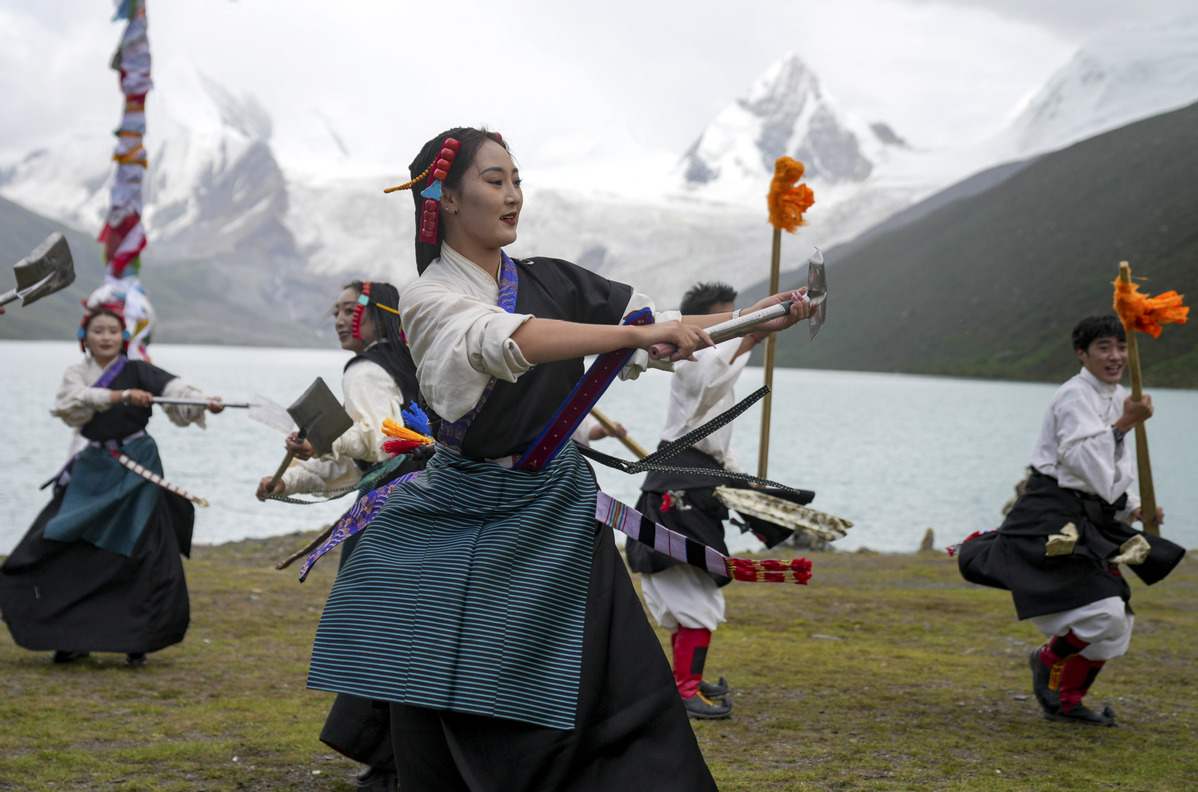
Dabu Axie
Introduction
Dabu Axie is a traditional dance originating from the Xizang Autonomous Region in China. It holds significant cultural importance and has been recognized for its rich heritage by being inscribed on the national intangible cultural heritage list. The dance is a reflection of the vibrant cultural practices and traditions prevalent among the Tibetan communities. Dabu Axie represents a unique form of artistic expression that encompasses the historical, social, and spiritual dimensions of Tibetan culture.
As an integral part of Tibetan cultural celebrations, Dabu Axie is performed during various local festivals and ceremonies, symbolizing joy, unity, and the communal bonds that tie the community together. Performers of Dabu Axie typically wear colorful attire that is representative of Tibetan cultural aesthetics, and the dance itself is often accompanied by musical instruments specific to the region, such as Tibetan flutes and drums.
The inclusion of Dabu Axie in the national intangible cultural heritage list highlights its importance not only to the Tibetan community but also to the cultural diversity of China as a whole. This recognition serves to preserve the traditional practices and ensure that the knowledge and skills associated with the dance are passed down to future generations. Moreover, it aids in the promotion of cultural understanding and appreciation between different ethnic groups within China.
Dabu Axie is not only a dance but also a storytelling medium through which the values, beliefs, and historical narratives of the Tibetan people are conveyed. It encompasses themes of spirituality, harmony with nature, and the celebration of life, which are central to Tibetan philosophy and way of life. The dance provides insights into the communal activities of the region and allows outsiders to gain a deeper understanding of Tibetan customs and traditions.








